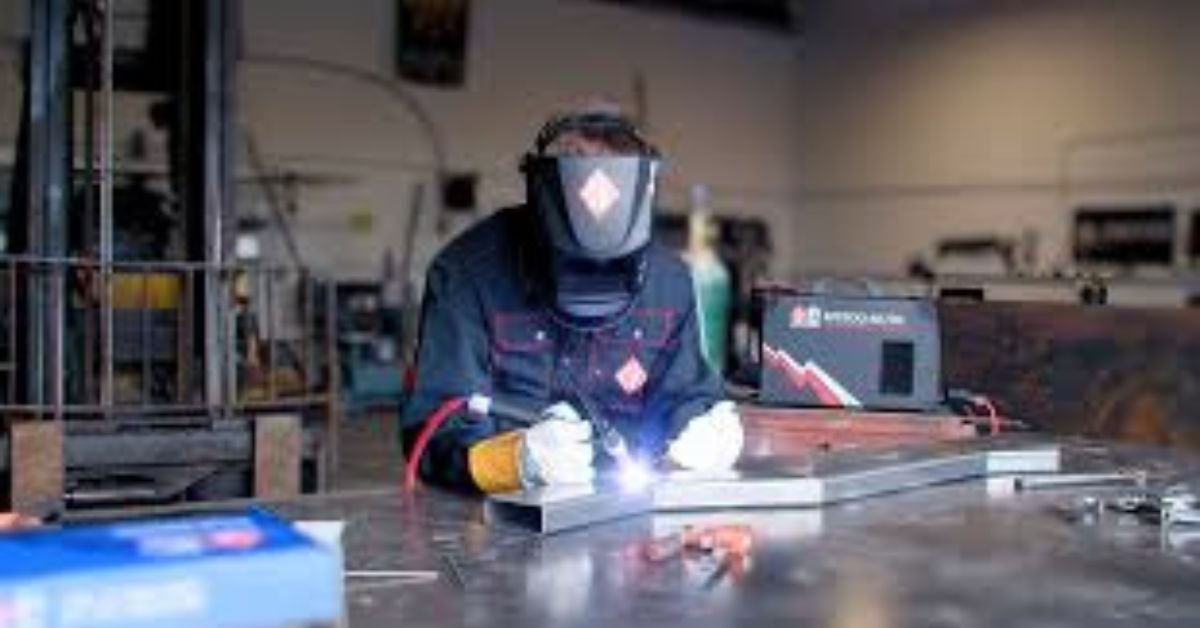
What Is TIG Welding?
TIG welding, or Gas Tungsten Arc Welding (GTAW), stands out as one of the most versatile and precise welding techniques available today. Unlike methods such as stick or MIG welding, TIG uses a non-consumable tungsten electrode. Generally, it relies on a separate filler material, allowing for an exceptional level of control over the welding process. This makes TIG an indispensable skill for professionals who fabricate delicate components or require visually pristine welds. The process is highly adaptable, with applications in everything from bicycle frames and pressure vessels to fine art installations and high-spec aerospace components.
What separates TIG from other forms of welding isn’t just the use of a tungsten electrode and inert gas. The method is uniquely suited for joining thin sections of materials, such as stainless steel and non-ferrous alloys, allowing welders to work with metals that other techniques cannot easily handle. For a detailed overview of best practices, common mistakes, and advice on setup, the guide at https://www.ckworldwide.com/news/the-ultimate-tig-welding-guide serves as a valuable reference for both newcomers and experienced welders looking to brush up on fundamentals.
Core Techniques for Top-Quality Welds
TIG welding’s reputation relies not only on equipment but primarily on the welder’s skill. Every great TIG weld depends on precise control of three main variables: arc length, torch angle, and filler rod timing. Keeping the tungsten electrode sharpened is essential for a steady arc; even slight inconsistencies can cause wandering arcs or defective welds.
Angles matter: holding the torch at a 10 to 15-degree angle from vertical ensures effective shielding gas flow over the weld pool, reducing oxidation and porosity. A smooth introduction of the filler rod into the leading edge of the weld puddle guarantees even bead distribution without disrupting the gas coverage. Maintaining a consistent travel speed is crucial; traveling too fast impairs penetration, while traveling too slowly risks overheating and distorting the workpiece.
- Maintain a clean and sharp tungsten for clear arc starts and stability.
- Utilize a forearm rest or other supports during long welds to minimize hand fatigue.
- Adjust the amperage based on material thickness and type; thin aluminum requires much less energy than thick stainless steel.
- Continuously monitor the weld puddle’s shape, adjusting the speed and filler as needed to achieve optimal results.
Even seasoned welders benefit from reviewing video tutorials and attending workshops, as research suggests that as much as 80% of visually identified weld flaws can be traced directly to variations in operator technique. Regular, mindful practice is a proven way to develop muscle memory for those “perfect” beads.
Safety Best Practices
TIG welding’s arc may appear less aggressive than some other processes, but the associated risks require just as much respect. Adequate ventilation is critical—fumes from welding can contain toxic substances, especially when working with stainless steel or metals with special coatings. As detailed by the Occupational Safety and Health Administration (OSHA), proper fume extraction or the use of well-designed local exhaust systems greatly lowers health risks in both professional shops and home garages.
- Always wear gloves, jackets, and head protection rated for welding to safeguard against sparks and ultraviolet radiation.
- Inspect electrical cables and ground clamps frequently for any sign of wear or exposed wire to avoid an electric shock.
- Keep your work area clear of combustible materials and always have a tested fire extinguisher within immediate reach.
- If prolonged grinding or chipping accompanies your welding, remember to use appropriate hearing protection as well.