
Introduction
Making the right decision when it comes to tires can dramatically affect not only your vehicle’s performance, but also your safety on the road. Matching your tires to both the season and your driving needs means smoother rides and greater peace of mind. Whether you’re prepping your car for a harsh winter or gearing up an entire fleet for summer haulage, understanding tire selection is crucial. For those in North Dakota handling commercial trucks and fleet vehicles, having access to reliable tire experts such as mobile commercial truck service Williston ND can make all the difference in year-round vehicle readiness.
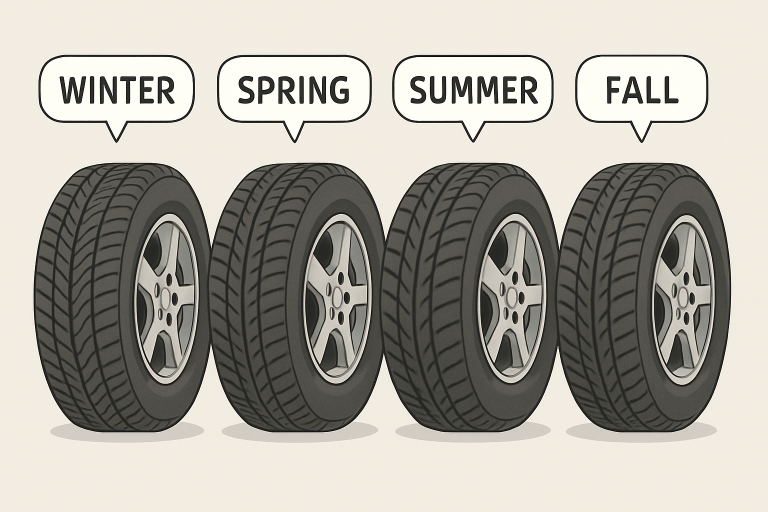
Many drivers overlook the fact that not all tires are created equal. Each season comes with its own set of challenges—from slick, icy roads to muddy backroads in spring—and your tires are the first line of defense. Winter demands different traction and flexibility than summer, while commercial trucks and personal vehicles may have completely different requirements. Relying on professional advice in addition to your own research will help extend your life and improve overall safety.
Understanding Tire Types
Tires are designed for specific weather conditions and driving environments. Selecting the right type ensures optimal performance and safety throughout the year. Here are the primary categories:
- All-Season Tires: These versatile tires balance wet and dry performance alongside moderate winter abilities, making them suitable for drivers in milder climates or those who prefer not to swap tires with the seasons.
- Winter Tires: Crafted from special rubber compounds, winter tires remain flexible in frigid conditions, providing enhanced grip and shorter braking distances on snow and ice.
- Summer Tires: Built for warm weather, these tires deliver responsive handling and improved traction on both dry and wet pavement—but they lose effectiveness as temperatures dip.
- All-Terrain Tires: Favored by drivers who frequently transition from pavement to gravel, mud, or trails, these rugged tires combine durability with the ability to navigate off-road conditions.
Assessing Driving Conditions
Your everyday driving environment plays a significant role in tire selection. Urban drivers often need tires that emphasize ride comfort and minimize road noise, making all-season or touring tires ideal. For those clocking hours on highways, fuel efficiency and tread longevity are paramount attributes, while off-road enthusiasts should prioritize all-terrain tires for consistent performance across mixed surfaces. Drivers in areas with frequent snow or icy roads must consider the additional safety provided by dedicated winter tires.
Examining your route, typical weather, and usage patterns will clarify your priorities and help match you with the most effective tire for your situation.
Evaluating Tread Patterns and Longevity
Tread pattern impacts everything from road noise and handling to hydroplaning resistance. Symmetrical treads are known for a quiet ride and straightforward maintenance. Asymmetrical patterns, on the other hand, give better grip and refined cornering—suited for sportier or high-performance vehicles. Directional treads excel at expelling water, minimizing the risk of hydroplaning in heavy rain.
Always watch for tread wear indicators—small raised bars within the tread grooves. Measure tread depth regularly, as shallow tread reduces grip. Uneven wear, bulges, or sidewall cracks are signs it’s time for a replacement to avoid compromising safety and increasing the risk of tire blowouts.
Considering Tire Size and Vehicle Requirements
Every vehicle is engineered with specific tire size and capacity in mind, outlia ned in your owner’s manual or on the driver’s side door placard. Tire size, usually written as a sequence like “215/60R16,” tells you the width, aspect ratio, and rim diameter. Equally significant are the load index and speed rating, which ensure the tire can safely manage the weight and intended driving speed of your vehicle.
Using tires not rated for your car or truck can result in poor handling, increased wear, or even void your warranty. Consulting with a tire professional is especially important for commercial truck owners with diverse fleets.
Budgeting and Warranty Considerations
Quality tires are an investment in your vehicle’s longevity and your own safety. While it can be tempting to opt for the cheapest set, factoring in durability, fuel efficiency, and tread life may make a higher upfront cost worthwhile. Compare tire options across brands, considering the warranty each manufacturer provides. A strong warranty can add value, offering peace of mind against manufacturing defects or premature wear.
Seasonal Tire Maintenance Tips
- Regular Inspections: Look for visible signs of damage, worn tread, or improper inflation at least once a month.
- Rotation: To ensure even wear, rotate your tires every 5,000 to 8,000 miles or according to your manufacturer’s guidelines.
- Alignment: Misaligned wheels can cause rapid, uneven tread wear. Get your alignment checked annually or after striking curbs and potholes.
- Storage: Store out-of-season tires in a cool, dry, and dark environment to preserve rubber quality. Stacking tires flat or hanging them on racks prevents distortion.
Prioritizing the right tires, understanding your driving environment, and adhering to consistent maintenance can lower long-term costs, improve comfort, and—most importantly—keep you and your passengers safe. By staying informed and making seasonal tire changes, drivers can handle any challenge the road (and weather) throws their way.