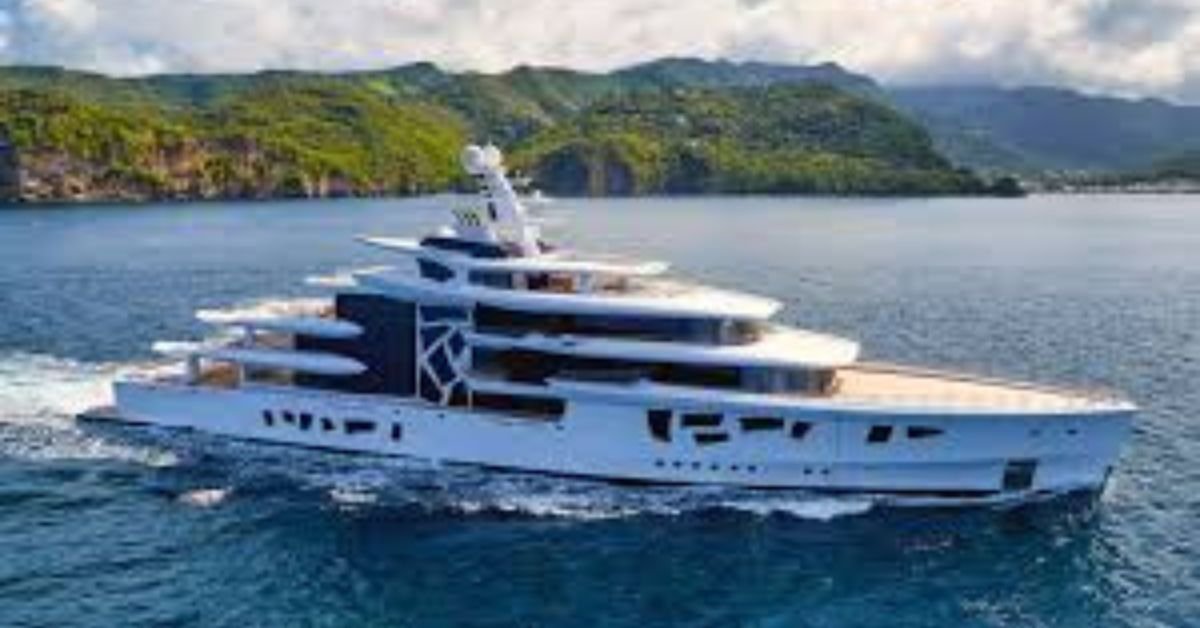
The New Face Of Yacht Design
Yacht design is experiencing an extraordinary transformation. Where once yacht ownership was essentially a mark of prestige and lavishness, today’s owners and designers look beyond the superficial, focusing instead on functionality, sustainability, and a tailored onboard experience. Modern luxury yachts captivate not only through their gleaming exteriors but also with interiors and onboard systems that reflect futuristic advancements. Vessels are no longer just floating palaces—they’re platforms for innovation that merge engineering excellence with sustainable, practical living.
This dramatic shift stems from changes in what yacht owners value. Many seek versatile yachts that serve as private retreats and entertaining spaces. There’s a rising demand for features that can accommodate water sports, family time, remote work, and wellness activities—all wrapped into a single vessel. The evolution of the yachting lifestyle is driving an industry-wide focus on longevity, environmental mindfulness, and owner-driven customization, ensuring that each ship is not just a symbol of luxury but a valuable extension of its owner’s lifestyle and values.
Material Choices: Lightweight And Sustainable
The construction of modern yachts is increasingly characterized by advanced materials that offer both performance and sustainability benefits. Shipbuilders have moved away from heavier traditional alloys in favor of high-strength, lightweight composite materials like carbon fiber and Kevlar. Not only do these materials increase speed and maneuverability, but they also save considerably on fuel, helping yachts travel farther and more efficiently.
Environmental consciousness also plays a pivotal role in material selection. Many builders experiment with eco-friendly alternatives, incorporating recycled metals, reclaimed woods, or plant-based resins into their yachts. Efforts to reduce emissions and protect marine environments are now central, not peripheral, to the building process. As reported by Boat International, yacht design trends are seeing a surge in the reuse of materials and the integration of eco-certifications from international bodies. These efforts minimize impact on oceans and shorelines and allow owners to feel confident that their investment supports positive industry change.
Smart Technologies On Board
The latest yachts stand on the cutting edge of technology, leading the way in marine digitization. Advanced innovative systems now monitor, manage, and automate nearly every aspect of vessel operation, transforming how owners and crews interact with their yachts. Intuitive touchscreen dashboards allow captains to oversee navigation, weather, mechanical health, and entertainment systems from one interface. Predictive maintenance analytics can detect potential problems before they arise, vastly improving safety and reliability.
Owners enjoy an unprecedented level of remote control, operating lighting, audio, and climate with a few taps on a smartphone or a voice command. These tech integrations appeal to the increasing number of owners who expect the seamless digital experiences they enjoy at home, even traversing open waters. Intelligent access control, AI-powered engine management, and onboard Wi-Fi networks mean that luxury and technology coexist in harmony aboard modern yachts, shaping what it means to relax, work, and play offshore.
Eco-Friendly Focus: Electric And Hybrid Innovation
As climate change and ocean health command global attention, yachting has responded with a surge of eco-friendly propulsion systems. Electric and hybrid drivetrains are making waves, offering decreased emissions, reduced fuel consumption, and quieter, cleaner operation. Some models now feature solar panels and regenerative systems, allowing for nearly silent cruising while enjoying nature without disturbing it.
According to Yachting World’s eco yachting innovations, the most forward-thinking shipyards are pushing further boundaries—introducing lithium-ion propulsion batteries, hydrogen fuel cells, and onboard water purification technology. These solutions are not only environmentally beneficial, but they also expand the possibilities for where and how long yachts can travel. Owners see practical perks too, including reduced maintenance needs, lower operational costs over time, and access to eco-sensitive destinations previously off-limits to conventional engines.
Flexible Spaces For Work And Leisure
Contemporary yacht interiors reflect an understanding that owners want more than extravagant decor—they want versatility. Modern layouts prioritize space efficiency by introducing convertible furniture, retractable partitions, and multipurpose rooms that quickly adapt to changing needs. It’s common for a breakfast nook to serve as an informal work zone during the day and transform into an entertainment space at night.
With remote work and digital nomadism on the rise, many yachts now include dedicated offices, built-in video conferencing equipment, and acoustic treatments for privacy. Families appreciate flexible spaces that can host movie nights one evening and double as sun-drenched reading areas the next. Modular design means a single yacht can cater to everything from business meetings and social gatherings to quiet relaxation, maximizing the use of every square foot on board.
Outdoor Living: Seamless Integration With Nature
Yacht owners increasingly seek to blur the line between inside and outside, longing for a sense of connection with the sea. Modern designs feature walls of panoramic glass, sliding retractable doors, and terraces that extend over the water. Open-air decks become the heart of social life on board, with furniture designed to resist saltwater and sunlight while providing plush comfort.
These open layouts are not just about aesthetics. They actively contribute to well-being, offering fresh air, unobstructed views, and abundant natural light. The organic flow from salon to swim platform invites families and guests to swim, dine, and unwind in spectacular surroundings. By maximizing outdoor spaces, yachts appeal to adventurers eager to explore and those hoping to retreat into tranquility, making each voyage a profoundly personal experience.
Customization For Personal Expression
Today’s yacht owners want vessels that celebrate and reflect their personalities and aspirations. The customization process often begins with layout adjustments—perhaps a private gym, a yoga studio, or a child-friendly play zone. Beyond the structure, personalization extends to bespoke furnishings, original artworks, and state-of-the-art entertainment systems tailored for each owner.
Shipyards increasingly offer a collaborative approach, bringing together builders, interior designers, and sometimes even marine architects to realize unique visions. For some, this might mean a chef’s dream kitchen or a hidden cigar lounge, while others request underwater observation rooms or expandable balconies. The result is a yacht that tells its story—a floating home with heart, history, and limitless opportunities for creating memories.
Lifestyle And The Future Of Yachting
Collective advancements in technology, layout, and sustainability are forging a future in which yachts are more than just luxury toys—they’re floating sanctuaries, business retreats, and platforms for exploration. Eco-friendly systems, innovative materials, and deeply personalized design ensure that yachting remains appealing to a wide range of lifestyles well into the future.
Research and user experience consistently show that owners seek vessels that echo their commitment to the environment, advanced comfort, and functional flexibility. With new developments on the horizon—from AI-driven navigation to advancements in hull design—yacht design will continue evolving, adapting to meet the desires of adventure-seekers and relaxation enthusiasts alike. For anyone invested in the future of the seas, these changes ensure the journey stays as inspiring as the destination itself.