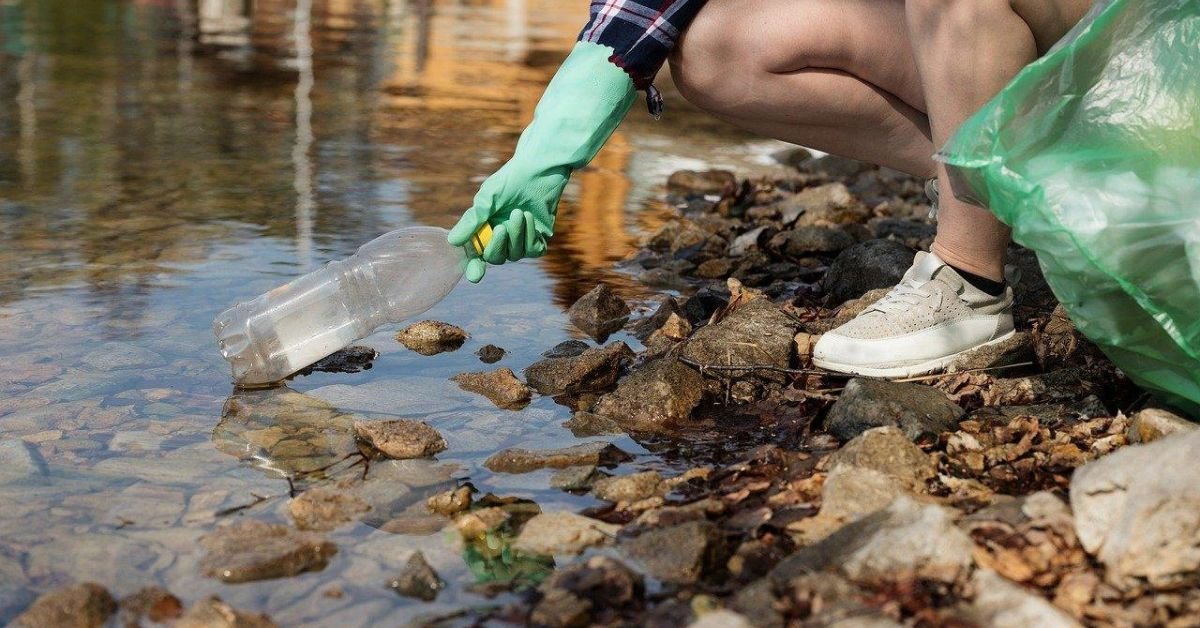
What Is Water Contamination?
Water contamination is an issue that affects communities on both local and global scales, often with consequences that are neither immediate nor easily visible. This problem usually comes from biological, chemical, or physical pollutants entering drinking water, from bacteria and viruses to industrial chemicals and natural minerals like lead and arsenic. Water contamination most often occurs within homes and businesses through inadequate plumbing practices, ignoring essential maintenance, and unexpected events such as flooding or burst pipes. That’s why services like backflow prevention testing Las Vegas are critical for property owners looking to protect their health and the well-being of families, staff, and customers.
The U.S. Environmental Protection Agency (EPA) underscores the seriousness of even trace contaminants in the water supply, finding that health problems such as gastrointestinal illnesses, neurological disorders, and reproductive issues are often linked to unsafe water. Industrial spills, failing septic systems, or even agricultural runoff can quietly seep into water supplies, problems that cause problems before anyone recognizes the warning signs. Understanding these risks is the first step toward taking thoughtful action and investing in protective measures for any property.
Recognizing Backflow Risks in Plumbing
Backflow, the unintentional reverse water flow within a plumbing system, poses a significant risk in new and older properties. Common mistakes like attaching garden hoses to pesticide sprayers or leaving submerged hoses in pools can create harmful cross-connections. Research from the CDC shows that waterborne disease outbreaks from backflow incidents cost communities millions in healthcare costs and lost productivity annually. Recognizing these vulnerabilities and making educated plumbing choices can help keep everyone safer.
Regulations and Standards for Prevention
Governments mandate stringent requirements for water safety, especially in preventing backflow, to protect public health. City codes require commercial enterprises and high-risk facilities to install, test, and maintain backflow prevention assemblies. Inspections cover schools, food processing plants, and residential buildings. Organizations like the American Water Works Association guide compliance, empowering professionals and building owners to stay current on proven prevention strategies. Compliance is an ongoing commitment to protecting the planet’s resources.
Routine Inspections and Testing
Consistent annual inspections are crucial for water contamination prevention. These evaluations identify failing equipment, improper installations, and wear and tear. Qualified professionals use specialized tools to ensure backflow prevention assemblies are functioning correctly. Minor repairs can prevent major contamination events. Municipalities often suspend accounts for non-compliance. The costs of preventative inspections are less than those associated with contamination emergencies. Regular testing provides security and supports community health objectives.
Tools and Devices for Prevention
Pressure Vacuum Breakers (PVB) are used in irrigation systems and above-ground piping to prevent contaminated water from entering drinking supplies. Double Check Valve Assemblies (DCVA) offer robust protection from backflow. Reduced Pressure Zone (RPZ) assemblies detect and release contaminated water automatically in hazardous situations. Choosing the correct device requires thoroughly reviewing the property, water usage patterns, and cross-connection concerns. Licensed experts should install and service the device.
Homeowner and Business Responsibilities
Water safety is a continuous process that requires regular maintenance, inspections, and documentation. Online registries of approved backflow testers and certified plumbing professionals can simplify this process. Property owners should log inspection dates, contact information, and repairs for quick response. Real estate professionals prioritize water safety, often requiring inspections before closing a sale to identify potential issues and protect seller interests.
Responding to Contamination Events
If contamination is suspected, promptly shut off water to affected areas and notify the utility provider or building manager. Health agencies or local governments may send alerts, distribute testing kits, or suggest boiling water until confirmed safe. Coordinated communication is crucial for residents and businesses in cases affecting multiple buildings or the community. Transparency is essential for trust and efficient restoration.