
Establish Solid Contracts and Agreements
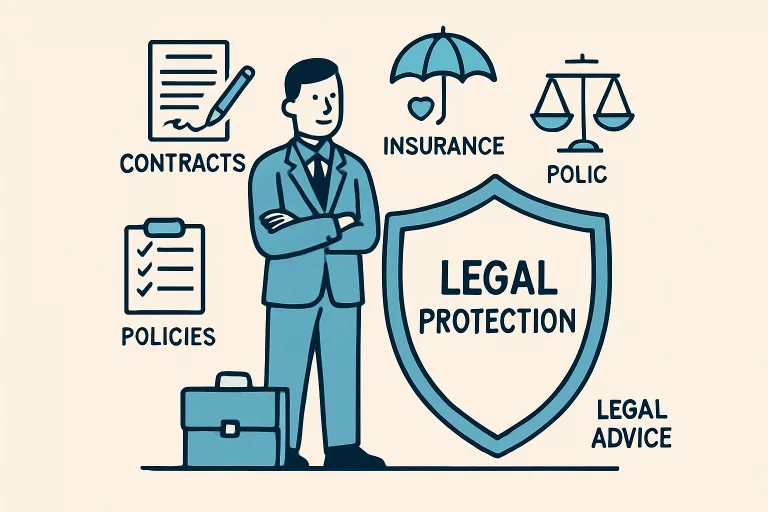
Well-drafted contracts are essential for protecting any business. They clearly define expectations, outline responsibilities, and reduce the risk of misunderstandings before they can escalate. Each agreement with clients, employees, vendors, or partners should be specific, legally sound, and tailored to your operations. Vague language or verbal agreements can create disputes, potentially leading to costly legal battles.
Regularly reviewing and updating your contracts as your business evolves is just as important as having them in place. Working with a knowledgeable legal professional, such as a Denver business attorney, can help ensure your documents comply with current laws and effectively protect your interests. Establishing strong agreements from the start reduces risk and contributes to a more secure, litigation-resistant business environment.
Secure Adequate Insurance Coverage
Insurance serves as your financial buffer in the event of legal challenges. Litigation can bring about major expenses, from attorney fees to settlements and court awards. The right insurance portfolio protects against these outlays and ensures business continuity, even in the face of unforeseen claims. Depending on your business operations, you may need general liability insurance, professional or errors and omissions coverage, product liability coverage, property insurance, or cyber liability protection. Periodically assess your coverage to ensure it matches your operations’ current scope and scale. As your company expands, its risks may evolve, so partner with insurance advisors specializing in your industry for policy recommendations that provide the most robust coverage with no critical gaps.
Implement Robust Internal Policies and Procedures
Clear internal policies foster a workplace environment rooted in transparency, fairness, and legal compliance. By including workplace rules, ethical standards, anti-harassment initiatives, safety protocols, and procedural guidelines in an employee handbook, you set clear expectations for everyone on your team. These policies should be dynamic documents, regularly updated to reflect changes in the law, technological advancements, or internal restructuring. Making these policies easily accessible—through digital intranets or employee portals—and requiring employees to acknowledge their receipt and understanding formally reinforces company standards and offers legal protection in case a dispute arises. When policies are consistently enforced and well understood, it fosters a culture of accountability and trust, which helps to reduce the likelihood of misconduct or legal issues.
Conduct Regular Employee Training
Employee training ensures your internal policies are not only known but actively followed. Ongoing training programs should address legal and regulatory matters pertinent to your business, such as anti-discrimination, harassment prevention, data privacy, cybersecurity best practices, and occupational health and safety. Organize regular refresher sessions to keep employees aware of procedural changes or legal updates—this is especially important in high-turnover industries. Interactive training, real-world scenarios, and open discussions can improve retention and empower staff to recognize and address potential issues before they escalate. An informed, well-trained workforce is one of your strongest defenses against employment-related claims and other legal vulnerabilities.
Engage Experienced Legal Counsel
An effective partnership with an experienced legal advisor gives your company proactive risk management. Beyond representation in the event of legal action, an ongoing relationship with a business attorney delivers immense value. Your legal counsel can review your contracts, advise on compliance, oversee policy development, and intervene early when disputes simmer before they escalate. Proactive legal audits give you insight into emerging risk areas and help address minor problems before they become costly lawsuits.
Maintain Accurate Records and Documentation
Keeping thorough records is vital to demonstrating good faith and legal compliance. Should a dispute or regulatory inquiry arise, having meticulous documentation of contracts, financial transactions, communications, employee incidents, and other essential records can make or break your defense. Well-organized documentation is also a powerful tool in resolving disagreements early, providing clear evidence that often speeds negotiations, mediation, or regulatory reviews. Implement strong systems for storing, backing up, and securing digital and physical records. Modern cloud-based solutions allow you to centralize data while granting access to authorized users, ensuring that the information remains safe, up-to-date, and easy to retrieve when needed.
Prioritize Customer Service and Satisfaction
Many lawsuits arise from unresolved misunderstandings or poor communication with customers. Creating a customer-centric culture empowers your team to address concerns quickly and effectively before they escalate. Implementing procedures for handling complaints professionally, responding to grievances promptly, and providing transparent follow-up throughout the resolution process is essential. Training staff in communication and conflict resolution skills can reduce friction.
Documenting and tracking complaint resolutions is essential as it helps improve service quality and provides crucial evidence should customer issues lead to legal disputes. A reputation for honest and responsive service deters frivolous claims and strengthens trust with your clientele.